My Singing Monsters
- 4.8
- Rating
- 50.00M
- Installs
- Free
- Price

 Analysis by App-foxy
I went into My Singing Monsters expecting a light music game and found something closer to a small, living collection of sound. You build an island, care for strange musical creatures, and gradually turn their individual noises into a layered performance. It is cheerful without being completely mindless, and its strongest appeal is that progress can be heard as well as seen.
That makes the game an interesting choice for anyone deciding between a relaxing collection game, a creative music toy, and a more traditional mobile game. I would not recommend it equally to everyone. If you enjoy checking in, planning upgrades, and listening to a world develop over time, it has a lot to offer. If you want immediate action, precise rhythm challenges, or a complete experience without waiting, another kind of music game may suit you better.
What to consider before choosing it
The first decision is whether you want to play music or build it indirectly. This is not a piano trainer, a rhythm game built around tapping notes, or a digital audio workstation. You do not control every beat in real time. Instead, you place and raise monsters whose voices, instruments, and sounds combine into an island-wide arrangement. My enjoyment came from listening carefully and deciding which additions improved the overall mix.
You May Also Like

 AccuWeather: Weather Radar
AccuWeather Review: A Quick, Clear Forecast for Everyday Decisions
For everyday plans, the best forecast is the one you can understand quickly. AccuWeather makes rain timing, radar, and local conditions easy to act on, with a few trade-offs.

 Hill Climb Racing
Why Hill Climb Racing Still Turns Crashes Into One More Run
A tiny car, a bumpy hill and one more upgrade: Hill Climb Racing keeps resurfacing because its simple chaos makes every near-miss feel personal.

 AliExpress - Shopping App
AliExpress Makes Global Shopping Feel Personal, but Shoppers Bear the Risk
AliExpress turns a global marketplace into a pocket-sized discovery engine. Its reach is useful, its shopping loop compelling, and its trade-offs easy to miss.

 Lords Mobile: Kingdom Wars
Lords Mobile Is a Kingdom-Building Routine, Not a Quick Match
A case-by-case verdict on the building, battles, device demands, and social commitments that make Lords Mobile rewarding for some players and exhausting for others.

 PDF Scanner app - TapScanner
TapScanner Makes Paperwork Easier to Capture, Check, and Share
TapScanner makes scanning with a phone feel less like a rescue operation and more like a dependable step in getting work done. Its capture tools are useful, though not flawless.

 Block Blast!
 Shows How Much a Puzzle Game Can Leave Out
A quiet grid game shows why puzzle players increasingly value instant clarity, repeatable skill and low-pressure play—and where the genre still needs to catch up.
More From Our News Desk
View All News


The second decision is how comfortable you are with a gradual game loop. The early moments are easy to understand, but the broader experience asks for patience. You collect creatures, provide what they need, and wait for parts of the island to develop. That rhythm works well during short daily visits, yet it can feel slow if you are looking for a complete song or a large selection of options immediately.
The third question is whether you like management hidden inside a friendly presentation. The colorful monsters make the game approachable, but there is still a practical side to it. Space, resources, timing, and placement all affect how smoothly an island develops. I found that the best results came from treating each island as a composition rather than placing every new creature as soon as possible.
The most important choice is whether you value gradual discovery more than instant control. That single distinction separates this game from many alternatives in the music category. It rewards curiosity and returning to hear changes, while a conventional rhythm title usually rewards timing, reflexes, and repeated attempts at the same track.
A gentle game that still gives you decisions
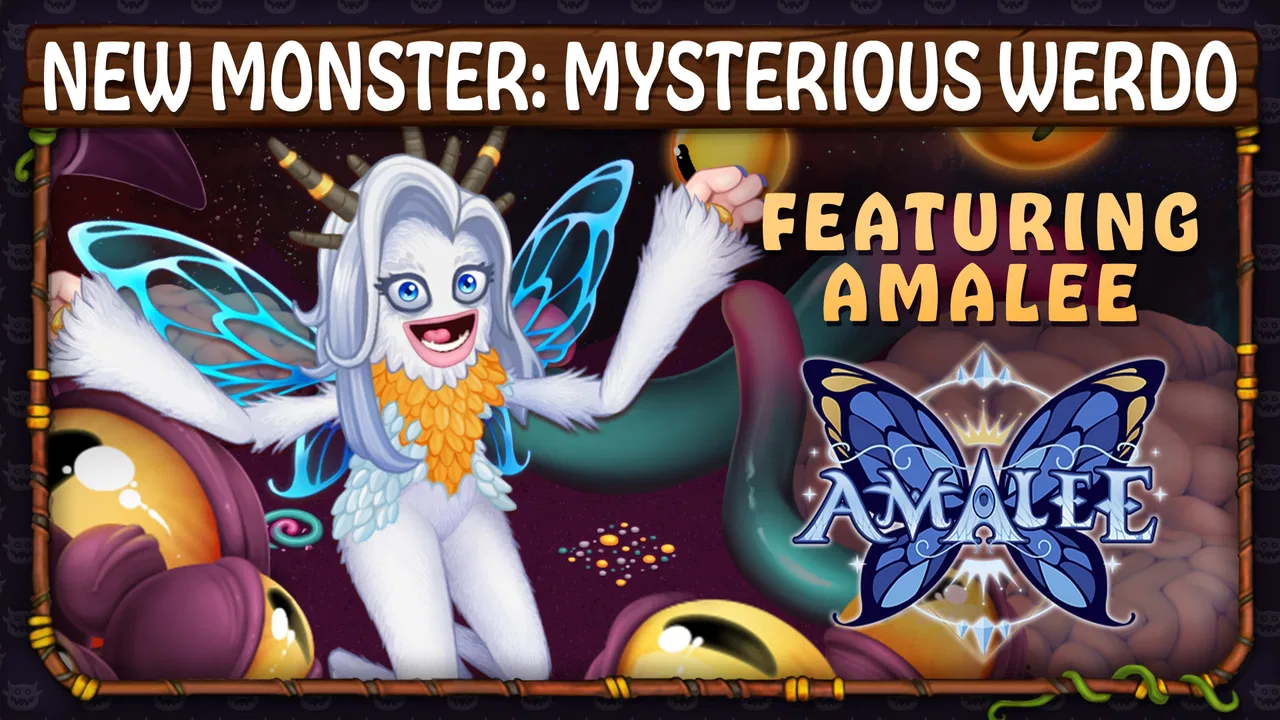
The basic appeal is easy to explain. You breed monsters, feed them, and listen as they contribute to a musical world. The concept sounds simple, but the sound design gives every new creature a practical purpose. A monster is not merely another item in a collection; it can change the character of the song around it.
I recommend using headphones when you are trying to understand an island properly. On a phone speaker, several parts can blur together, especially when you are comparing small changes. With headphones, it becomes easier to notice how a new voice fills a gap, competes with another part, or changes the mood. This is one of the game’s less obvious strengths: careful listening is useful, not just decorative.
The game is also suitable for shared play at home. A child can enjoy discovering unusual creatures, while an older player can focus on arranging a more satisfying combination. I would still stay involved with younger players around purchases, because the game is free to start but includes optional in-app items ranging from $0.99 to $99.99 each. That range makes it sensible to decide spending rules before handing over the device.
Its Everyone content rating supports the approachable tone. I would describe the experience as playful rather than competitive or intense. The creatures are expressive and odd in a memorable way, and the overall presentation avoids the pressure found in games that constantly push combat, ranking, or fast reactions.
Why the island-building approach works
What kept me interested was the relationship between collection and sound. In many collection games, new items mainly improve a number or unlock a visual display. Here, the reward is audible. When the arrangement starts to feel fuller, the result is immediately understandable even if you never study the underlying systems.
A useful habit is to listen to an island before making a change, then listen again after adding one creature. That simple comparison helps prevent a common mistake: assuming that more monsters automatically means better music. Sometimes a crowded arrangement is less pleasing than a smaller one with clearer parts. I enjoyed treating the island like a rough mix, choosing additions for balance rather than quantity.
Another practical tip is to avoid spending every available resource the moment it appears. Keeping a reserve gives you flexibility when a new breeding or feeding decision becomes available. This is especially helpful for players who prefer steady progress without relying on purchases. The game feels more comfortable when you plan a little ahead instead of reacting to every notification.
I also found value in visiting the game when I was doing something else, such as taking a short break between tasks. It works well as a low-pressure routine: check the island, collect what is ready, make one useful decision, and listen for a minute. That is a better fit than trying to force a long session out of it.
Where it is stronger than familiar music alternatives
Compared with a standard rhythm game, this is far less demanding on reflexes. You are not required to hit notes accurately while a song moves quickly across the screen. That makes it more comfortable for players who enjoy music but do not enjoy failure-based timing challenges. It is also easier to play while relaxing, because attention can move between planning and listening rather than staying fixed on a narrow input window.
Compared with a simple virtual instrument, it offers more of a world to return to. A keyboard app may let you create sounds directly, but it usually does not provide the same sense of caring for a growing cast of characters. Here, the creatures give the music personality. The trade-off is control: you shape the arrangement through decisions, but you do not perform every note yourself.
Compared with a purely decorative collection game, the audio feedback gives progress more meaning. I could hear why a new creature mattered instead of merely seeing a new icon appear. That makes the game particularly good for players who want a creative result without learning formal music theory or operating complicated production tools.
The large existing audience also makes the concept feel established rather than experimental. It has passed 50 million installs, and its average rating is 4.7 from around 2.5 million ratings. Those figures do not guarantee that every player will enjoy the pacing, but they do reflect how broadly the central idea has connected with mobile players.
Where another kind of game may fit better
I would choose a conventional rhythm game instead if my main goal were improving timing or competing for a score. My Singing Monsters does not replace the satisfaction of mastering difficult note patterns. It is also not the right choice when I want a self-contained musical instrument for recording or practicing. Its creativity is indirect and character-based, not performance-focused.
I would choose a more traditional management game if I wanted complex production chains, detailed optimization, or constant strategic pressure. The island systems are approachable, which is part of the charm, but players looking for a deep simulation may eventually want more control over every variable.
The waiting element is another important trade-off. The game is designed around returning as things develop, so it can feel restrictive to someone who wants to unlock a complete collection in one sitting. Optional purchases may shorten some friction, but I would not approach the game assuming that spending is necessary or that it will transform the basic pace into an instant experience.
There is also a risk of losing interest once the novelty of hearing new combinations fades. I think the game works best when I set small personal goals, such as improving one island’s balance or saving for a specific decision. Without that self-directed purpose, the routine can become a sequence of collections and taps rather than a meaningful musical project.
How the free model affects the decision
The game is free, which makes trying it straightforward. I would install it for a child who likes colorful creatures, for a casual player who enjoys collecting, or for someone curious about music games but uncomfortable with demanding controls. The free entry also makes it easier to discover whether the waiting rhythm suits you before committing money.
Still, “free” should not be confused with completely frictionless. In-app purchases are available, with individual items priced from $0.99 to $99.99. I see that as a reason to use the game’s free structure deliberately: play for several sessions, learn how breeding and feeding fit into your routine, and only then decide whether an optional purchase adds enough value for you.
My own advice is to treat purchases as convenience rather than a requirement for enjoying the concept. The strongest part of the experience is hearing the islands evolve, and that can be appreciated without turning every decision into a transaction. For families, device-level purchase controls and a clear conversation about spending are worth arranging before play begins.
The cost of switching from another casual game is low in money but higher in attention. You are not simply replacing one quick match with another; you are adopting a slower routine. If your current game gives immediate rewards and constant action, this one may initially seem uneventful. Give it time only if the idea of listening to gradual changes genuinely appeals to you.
Practical ways to get more from each session
Start by listening rather than rushing to collect. The sound is the best guide to whether an island feels satisfying, and it helps you notice the contribution of each creature. When a new addition makes the arrangement busier but not better, that is useful information. You can then make future choices with your ears instead of following a simple “more is better” habit.
Use short sessions with a clear purpose. One visit might focus on feeding, another on preparing a breeding choice, and another on rearranging the island so its parts are easier to hear. This prevents the game from becoming a vague chore and makes progress feel intentional.
If you are playing with a child, ask which sound they want to hear next rather than focusing only on collection totals. That turns the game into a small listening exercise and encourages comparison. It also helps explain why patience matters: the desired result may require several visits rather than appearing immediately.
For older players, I suggest keeping a mental note of which combinations create a pleasing balance. You do not need musical vocabulary to do this. Notice whether the island feels too crowded, too sparse, too repetitive, or pleasantly layered. That personal judgment is where the game becomes more than a basic breeding loop.
Device fit, audience, and long-term appeal
The current version is 5.2.0 and requires Android 6.0 or later. That makes the compatibility question fairly simple for anyone using a supported Android device, though I would still leave room for the game’s visual and audio presentation when choosing an older phone or tablet. A larger screen can make the island easier to inspect, while headphones can make the musical layering more rewarding.
Big Blue Bubble Inc has built the game around a recognizable identity: unusual creatures, a playful world, and music that grows from collection decisions. That identity is a major reason to choose it over a generic idle title. Even when I was not actively planning, I could return because the island had a distinct personality rather than feeling like a blank resource screen.
Its long-term appeal depends on how much you enjoy incremental goals. Players who like completing sets, checking changes, and refining a personal arrangement may keep finding reasons to return. Players who need a clear ending, a campaign, or a steadily rising difficulty curve may feel less satisfied. Neither response is wrong; the game simply asks for a different kind of commitment.
I would also avoid recommending it as a replacement for music education. It can encourage listening and show how separate parts combine, but it does not teach notation, technique, or composition in a structured way. Think of it as an approachable musical sandbox wrapped in a collection game, not as a lesson tool.
My recommendation after playing
I recommend My Singing Monsters to anyone who wants a friendly, low-pressure music game with collection and light management at its center. It is especially suitable for families, casual players, and people who enjoy hearing a world become fuller over time. The creatures are memorable, the audio gives progress a real payoff, and the lack of reflex-heavy play makes it easy to settle into.
I would skip it if I wanted direct instrument control, challenging rhythm performance, or rapid rewards without waiting. I would also be cautious if optional purchases tend to undermine your enjoyment, since the free game includes items priced from $0.99 to $99.99 per item. The best experience comes from accepting its gradual pace instead of trying to push it into behaving like an action game.
After its release on Oct 15, 2012, the game has had plenty of time to establish its unusual formula, and its current version keeps that identity clear. With an Everyone age rating and a free starting price, it is easy to sample. My final judgment is simple: install it when the idea of breeding strange performers and shaping an island’s sound feels more appealing than chasing a high score.
My Singing Monsters is at its best when you listen with intention. Give each island room to develop, make choices for the sound rather than only for the collection, and decide early whether its patient rhythm matches your habits. If it does, the result is a surprisingly personal little musical world; if it does not, a direct rhythm game or instrument app will probably be the better choice.
FAQs for My Singing Monsters
01What is the main objective of My Singing Monsters?
My Singing Monsters is a unique game where your primary goal is to breed and collect various monsters. Each monster has its own distinct musical element, and when combined, they create a symphony of sounds and songs. Players can customize their islands, decorate them, and create different musical landscapes.
02How do I breed monsters in My Singing Monsters?
Breeding monsters involves selecting two monsters to combine, which can result in a new monster with unique characteristics. Each combination requires time, and the outcome depends on the monsters' elements. Experimenting with different pairs is essential to discover new species and fill your collection.
03Is My Singing Monsters free to play?
Yes, My Singing Monsters is free to download and play. However, it offers in-app purchases for players who want to enhance their gameplay experience. These purchases can help speed up breeding times or provide additional resources, but they are entirely optional.
04What platforms is My Singing Monsters available on?
My Singing Monsters is available on both Android and iOS platforms, making it accessible to a wide audience. Players can download the game from the Google Play Store or Apple App Store and enjoy it on smartphones and tablets.
05Are there any social features in My Singing Monsters?
Yes, My Singing Monsters includes social features that allow players to connect with friends. You can visit others' islands, exchange gifts, and collaborate to improve your islands. The social aspect adds a community element, enhancing the overall experience.
Pros
- Engaging and creative gameplay.
- Vibrant and charming graphics.
- Unique monster designs.
- Regular updates with new content.
- Offline play available.
Cons
- In-app purchases can add up.
- Requires patience as progress can be slow.
- Occasional connection issues.
- Repetitive tasks may become tedious.
- Limited social interaction features.

My Singing Monsters
Gallery